
As the marine industry evolves, so does the need for high-quality fitting components. One of the most popular choices in marine applications today is forged fittings. These fittings are becoming increasingly popular for their high strength and durability, making them an ideal choice for marine applications. In this blog post, we’ll explore forged fittings, how they work, and why they are popular for marine applications.
What are Forged Fittings?
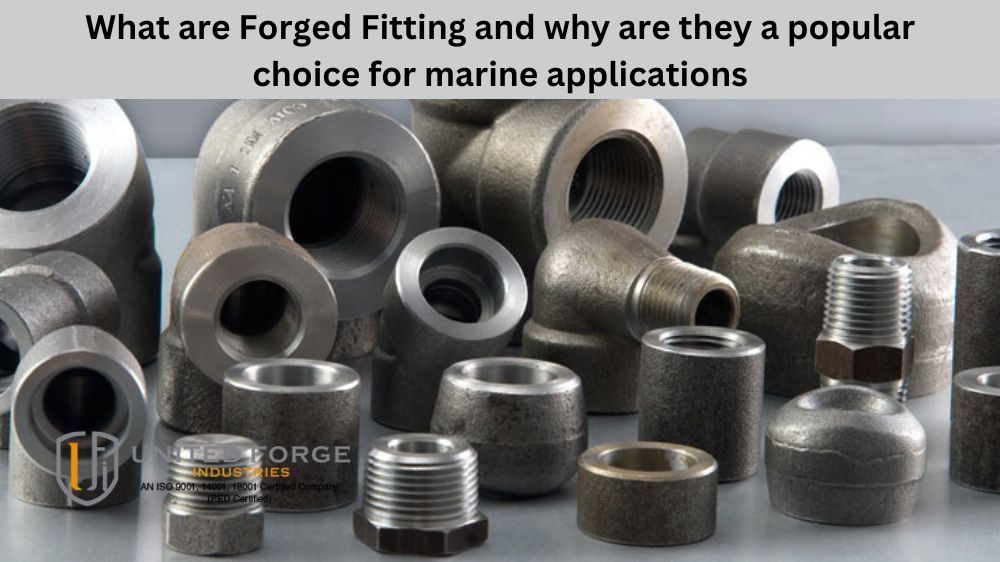
Forged fittings are specialized components used in piping and plumbing systems. They are typically made by shaping and compressing metal, such as stainless steel or carbon steel, under high pressure and temperature. These fittings are designed to connect and control the flow of fluids in pipelines, offering greater strength and reliability than traditional cast fittings. They are commonly used in industries like oil and gas, chemical, and petrochemical, where high-pressure and high-temperature conditions demand durable and leak-resistant connections. These fittings come in various types, including elbows, tees, couplings, and unions, making them essential for customizing complex piping systems.
The Benefits of Forged Fittings in Marine Applications
Forged fittings are the preferred choice for marine applications due to their exceptional strength and durability. They can withstand high-pressure and temperature changes, making them ideal for shipboard pipelines and marine applications. The higher strength and resistance to corrosion also make them an ideal choice for offshore oil and gas drilling applications. They’re designed to stand up against harsh marine environments, weather conditions, and corrosive substances and are vital to the safe and reliable transport of marine liquids.
Types of Forged Fittings Used in Marine Applications
Various types of forged fittings are used in marine applications, with the most commonly used being threaded and socket weld fittings. Threaded forged fittings are easily installed and unscrewed; they are designed to be connected to other fittings with threads built into them, which makes them ideal for small-bore pipelines. Socket weld fittings offer an excellent connection mechanism; they connect to pipes by inserting them into the socket or recess in the fitting and then using a weld to secure them. These fittings are ideal for high-pressure pipelines and where disassembly is not required.
Choosing Forged Fitting Manufacturers for Your Marine Applications
When selecting forged fitting manufacturers for marine applications, choosing a reliable and reputable manufacturer is essential. Quality, consistency, and on-time delivery are key factors in ensuring that your marine piping and fittings are reliable and efficient. It’s important to choose a manufacturer that is committed to meeting ISO standards, manages processes efficiently, and has a reputation for producing high-quality forged fittings.
Conclusion
The use of forged fittings in the marine industry is becoming increasingly popular due to their strength, resistance to corrosion, and durability. Remember, when choosing the best-forged fitting for your marine applications, it’s important to consider the type of fitting required for your piping system, as well as the reliability and reputation of the manufacturer. By making the right choice, you’re guaranteed durable and efficient marine piping systems, which are essential for the ongoing safety and reliability of marine vessels and offshore oil and gas drilling applications.